Discover how medical body contouring treatments target stubborn fat deposits, the differences between surgical and nonsurgical procedures, expected results, potential risks, and important factors to consider before treatment.
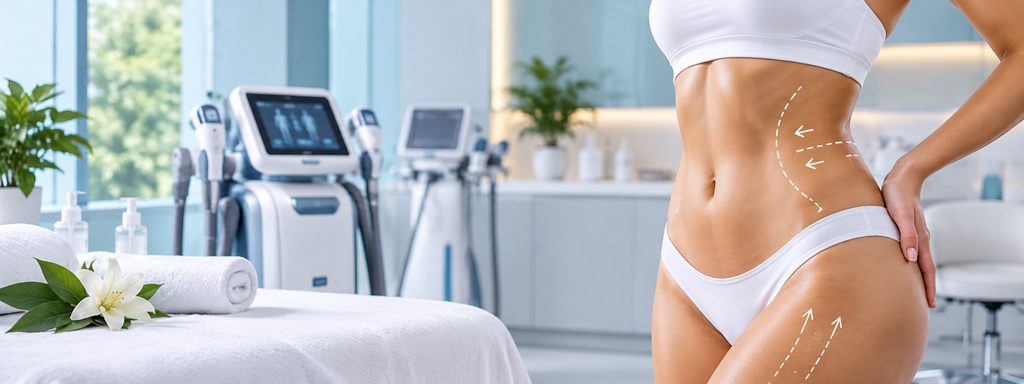
Medical body contouring has become an increasingly popular option for people who want to improve the shape and appearance of specific areas of their bodies. Even after losing weight through healthy eating and regular exercise, some individuals may still have localized fat deposits around the abdomen, thighs, hips, upper arms, or back.
These stubborn fat deposits can sometimes be difficult to reduce through lifestyle changes alone. Medical body-contouring procedures are designed to target selected areas and improve body shape by reducing localized fat or tightening the appearance of the skin, depending on the treatment used.
However, body contouring is not a substitute for weight loss, a treatment for obesity, or a replacement for healthy lifestyle habits. Different procedures work in different ways, and their effectiveness, suitability, recovery requirements, and potential risks vary.
In this guide, we examine how medical body contouring works, the differences between surgical and nonsurgical treatments, the procedures available, expected results, possible complications, and the factors to consider before choosing a treatment.
The goal is to help you understand your options and make informed decisions with the guidance of a qualified healthcare professional.
What Is Medical Body Contouring?
Medical body contouring refers to a range of surgical and nonsurgical procedures designed to change the shape or appearance of specific areas of the body. Depending on the technique, these treatments may remove localized fat, reduce the number of fat cells in a targeted area, or improve skin firmness.
Unlike general weight-loss methods, which aim to reduce overall body weight, body-contouring procedures focus on selected areas where stubborn fat deposits or loose skin may remain.
There are two main categories of medical body contouring:
1. Surgical body contouring
Surgical procedures involve operations performed by qualified medical professionals. Liposuction is a common example. It involves inserting a thin tube called a cannula through small incisions to remove fat from selected areas of the body.
2. Nonsurgical body contouring
Nonsurgical procedures use technologies such as controlled cooling, radiofrequency, ultrasound, or laser energy to target localized fat or improve the appearance of the skin. These treatments generally do not require surgical incisions, although some may cause temporary discomfort, swelling, bruising, or other side effects.
The appropriate option depends on several factors, including the treatment area, amount of localized fat, skin condition, medical history, personal expectations, and potential risks.
It is important to understand that body contouring is generally intended for people seeking changes in specific body areas. It is not designed to treat obesity or replace a balanced diet and regular physical activity.
Can Medical Body Contouring Target Stubborn Fat?
Yes. Certain medical body-contouring procedures can reduce localized fat deposits and improve the appearance of selected areas of the body. However, the results depend on the treatment used, the individual’s body composition, and other personal factors.
Stubborn fat refers to localized fat deposits that may remain noticeable even after someone has improved their diet, increased physical activity, or lost weight. Common areas include:
- Abdomen and waist
- Hips and thighs
- Upper arms
- Back and flanks
- Under the chin
Some nonsurgical treatments work by damaging targeted fat cells through controlled cooling, heating, ultrasound, or other technologies. The body gradually processes and removes affected cells over time. Liposuction works differently because it physically removes fat through a surgical procedure.
Does Body Contouring Cause Overall Weight Loss?
Not usually. Most nonsurgical body-contouring treatments are designed to change the appearance or circumference of a specific area rather than produce significant reductions in body weight.
For example, a person may notice a change in the appearance of abdominal fat after treatment without seeing a substantial difference on the weighing scale.
This distinction is important. Body contouring should not be confused with medical weight-loss treatments or bariatric surgery, which may be recommended for people with obesity under appropriate medical supervision.
Can Stubborn Fat Return After Treatment?
The outcome varies by procedure. Some treatments permanently destroy or remove a portion of targeted fat cells, but remaining fat cells can still enlarge if a person gains weight.
This means that maintaining a relatively stable weight and following healthy lifestyle habits remain important after treatment.
Body contouring can improve the appearance of selected areas, but it cannot guarantee a particular body shape or prevent future weight gain.
Surgical vs. Nonsurgical Body Contouring
Medical body contouring treatments generally fall into two categories: surgical and nonsurgical procedures. Although both aim to improve body shape, they differ in how they work, the results they may achieve, recovery requirements, and potential risks.
Understanding these differences can help individuals discuss suitable options with a qualified healthcare professional.
Surgical Body Contouring
Surgical body contouring involves procedures that physically remove fat or excess skin through an operation.
One of the most common procedures is liposuction. During liposuction, a surgeon makes small incisions and inserts a thin tube called a cannula to remove fat from targeted areas.
Liposuction may be used on areas such as the abdomen, thighs, hips, upper arms, back, and chin. Depending on the extent of the procedure, patients may require local or general anaesthesia and a period of recovery.
Surgical procedures can produce more noticeable changes than many nonsurgical treatments, but they also involve surgical risks, including infection, bleeding, fluid accumulation, irregular contours, and complications related to anaesthesia.
Nonsurgical Body Contouring
Nonsurgical body contouring uses technologies that target localized fat or improve the appearance of the skin without traditional surgical incisions.
Common approaches include controlled cooling, radiofrequency energy, ultrasound, and certain laser-based technologies.
These procedures generally involve less recovery time than surgery, although temporary swelling, redness, bruising, tenderness, or discomfort may occur. Results are usually gradual and may be more modest than those achieved through surgery.
Which Option Is Better?
There is no single best treatment for everyone. The appropriate choice depends on the individual’s goals, health history, treatment area, skin condition, amount of localized fat, and willingness to accept the risks and recovery requirements.
A qualified healthcare professional should explain the expected benefits, limitations, alternatives, and possible complications before any procedure is undertaken.
It is also important to verify that the specific device and procedure are appropriately authorized for the intended use. Not every treatment advertised as body contouring has the same evidence of effectiveness or safety.
Common Nonsurgical Body Contouring Treatments
Several nonsurgical technologies are used to target localized fat deposits or improve the appearance of specific body areas. They do not all work in the same way, and their effectiveness and safety depend on the technology, device, treatment area, and individual circumstances.
1. Cryolipolysis (Fat Freezing)
Cryolipolysis is a nonsurgical procedure that uses controlled cooling to target fat cells beneath the skin. The cooling process damages some of these cells, which the body gradually processes and eliminates.
It is commonly used on areas such as the abdomen, flanks, thighs, and back. Results develop over several weeks or months rather than immediately.
Although generally associated with temporary redness, bruising, swelling, and tenderness, a rare but important complication is paradoxical adipose hyperplasia. This occurs when the treated fat tissue grows larger instead of becoming smaller and may require surgery to correct.
2. Radiofrequency Body Contouring
Radiofrequency treatments use controlled energy to heat tissue beneath the skin. Depending on the device and treatment settings, they may target localized fat, improve the appearance of cellulite, or stimulate changes in collagen that affect skin firmness.
Possible temporary effects include redness, swelling, discomfort, and tenderness. Burns and other tissue injuries can occur if treatment is improperly performed.
3. Ultrasound Fat Reduction
Certain ultrasound-based devices use sound-wave energy to target fat beneath the skin. The technology is intended to disrupt fat cells in selected areas so that the body can gradually process the affected tissue.
Depending on the device, treatment may be used on areas such as the abdomen or thighs.
Potential side effects include discomfort, swelling, bruising, and, in some cases, burns or nerve injury. The specific risks depend on the technology and how it is administered.
4. Laser-Based Fat Reduction
Some laser body-contouring treatments use energy to heat or disrupt targeted fat tissue. Other laser procedures are primarily intended to improve skin appearance rather than remove fat.
The treatment method and expected results vary considerably between devices.
Possible complications include redness, swelling, burns, discomfort, and changes in skin sensation.
Understanding the Limitations of These Treatments
Nonsurgical body contouring does not guarantee significant fat reduction or dramatic weight loss. Some procedures require multiple treatment sessions, while others produce gradual changes that may be difficult to notice.
Before choosing a treatment, ask the provider about the specific device being used, its regulatory status, clinical evidence, possible complications, expected results, and whether the procedure is suitable for your health circumstances.
Which Areas of the Body Can Be Treated?
Medical body-contouring procedures can target different areas where localized fat deposits or loose skin affect body shape. However, not every procedure is suitable for every body area, and treatment availability depends on the specific technology or surgical technique.
Common treatment areas include:
1. Abdomen and Waist
The abdomen is one of the most frequently treated areas. Some people seek body contouring to address localized fat around the stomach or waist that remains despite maintaining a relatively stable weight.
2. Hips and Flanks
The hips and flanks, sometimes called love handles, may develop noticeable fat deposits. Selected procedures can help improve the appearance of these areas.
3. Thighs
Both the inner and outer thighs may be treated to improve body proportions. The suitability of treatment depends on the amount of localized fat, skin elasticity, and the individual’s goals.
4. Upper Arms
Some individuals have localized fat around the upper arms that affects their preferred body shape. Certain surgical and nonsurgical procedures may help reduce the appearance of fat in this area.
5. Back
Fat deposits around the upper or lower back can sometimes be targeted through selected body-contouring procedures.
6. Under the Chin
Certain technologies and specific injectable treatments may be used to address submental fat, commonly known as a double chin. These treatments have different indications and risks, so professional assessment is essential.
Choosing the Right Treatment Area
The best treatment area depends on individual anatomy, skin condition, health history, and realistic expectations. A qualified healthcare professional should assess the area before recommending any procedure.
It is also important to distinguish between excess fat and loose skin. A treatment designed to reduce fat may not adequately address significant skin laxity.
Who Is a Suitable Candidate for Medical Body Contouring?
Medical body contouring is generally intended for people who want to improve the appearance of specific areas of their bodies rather than achieve substantial weight loss.
A suitable candidate depends on the procedure, individual health circumstances, and realistic treatment goals. However, certain characteristics may make someone more appropriate for consideration.
1. People With Relatively Stable Body Weight
Individuals who have maintained a relatively stable weight but still have localized fat deposits may be considered for certain body-contouring procedures.
These treatments are not designed to replace weight-loss programmes or treat obesity.
2. People With Localized Fat Deposits
Someone may have persistent fat deposits around the abdomen, hips, thighs, upper arms, or other areas despite maintaining healthy lifestyle habits.
A healthcare professional can assess whether the concern involves localized fat, loose skin, or another condition requiring a different approach.
3. People With Realistic Expectations
Body contouring can produce changes in selected areas, but it cannot guarantee a particular body shape or perfect symmetry.
People considering treatment should understand the likely degree of improvement, the limitations of the procedure, and the possibility that results may be modest.
4. People Without Certain Medical Contraindications
Some procedures may not be suitable for individuals with particular medical conditions, skin problems, circulation disorders, implanted medical devices, or other health concerns.
For example, certain fat-freezing procedures may be unsuitable for people with specific cold-related disorders.
A complete medical assessment is therefore important before treatment.
5. People Willing to Maintain Healthy Lifestyle Habits
Body contouring does not prevent future weight gain. Maintaining a stable weight through balanced nutrition, regular physical activity, and other healthy habits can help preserve the appearance achieved after treatment.
Healthy lifestyle choices also play an important role in women’s weight management and overall well-being. Learn more about how women can manage weight and support hormonal health naturally.
Who Should Be Cautious?
People with obesity, significant weight fluctuations, substantial loose skin, certain medical conditions, or unrealistic expectations may need alternative approaches.
Pregnant individuals should not undergo elective body-contouring procedures. Anyone considering treatment should discuss pregnancy plans, medical history, medications, and other relevant circumstances with a qualified healthcare professional.
Ultimately, suitability should be determined through an individual medical consultation rather than online advice or promotional claims.
What Results Can You Realistically Expect?
The results of medical body contouring vary depending on the procedure, treatment area, amount of localized fat, skin condition, and individual response to treatment.
Although some procedures can produce noticeable improvements in body shape, it is important to understand that results are not immediate or guaranteed.
1. Results May Develop Gradually
Many nonsurgical treatments produce gradual changes because the body needs time to process and remove affected fat cells.
For example, results from cryolipolysis may become noticeable over several weeks, with further changes developing over the following months.
Surgical procedures such as liposuction may produce more immediate changes in body shape, although swelling and bruising can initially affect the appearance of the treated area.
2. Some People May Need Multiple Sessions
Certain nonsurgical treatments require more than one session to achieve the desired improvement.
The number of sessions depends on the technology, treatment area, individual response, and recommendations of the healthcare professional.
Additional sessions do not necessarily guarantee better results.
3. Results Differ Between Individuals
Two people receiving the same treatment may experience different outcomes.
Factors that can influence results include:
- Body composition and the amount of localized fat.
- Skin elasticity and age-related changes.
- The treatment technology and settings.
- The experience of the healthcare professional.
- Weight changes after treatment.
- Individual healing and biological responses.
4. How Long Do Results Last?
Some procedures permanently destroy or remove a portion of the targeted fat cells. However, the remaining fat cells can still enlarge if a person gains weight.
This means that significant weight gain may affect the appearance of the treated area.
Maintaining a relatively stable weight and following healthy lifestyle habits can help preserve the results.
Weight changes can sometimes make progress more difficult to maintain. Learn about why weight loss can plateau and what you can do to overcome it.
5. Body Contouring Does Not Guarantee Perfect Body Shape
Medical body contouring can improve selected areas, but it cannot guarantee perfectly smooth skin, complete fat removal, or a specific body shape.
Some individuals may experience uneven contours, asymmetry, skin irregularities, or limited improvement.
Before treatment, ask the provider to explain what results are realistically achievable in your particular circumstances.
Risks and Possible Side Effects of Medical Body Contouring
Although medical body contouring can improve the appearance of selected body areas, every procedure carries potential risks. The type and severity of complications depend on whether the treatment is surgical or nonsurgical, the technology used, and the individual’s health.
Understanding these risks is essential before making a treatment decision.
1. Risks Associated With Surgical Procedures
Surgical body contouring, including liposuction, involves incisions and tissue manipulation. Possible complications include:
- Bleeding and infection.
- Fluid accumulation beneath the skin.
- Persistent swelling and bruising.
- Changes in skin sensation.
- Uneven body contours or asymmetry.
- Scarring and skin irregularities.
- Complications related to anaesthesia.
- Blood clots and, rarely, serious internal complications.
The risk may increase depending on the extent of surgery, the patient’s medical history, and the experience of the surgical team.
2. Risks Associated With Nonsurgical Treatments
Nonsurgical procedures generally involve less recovery time than surgery, but they are not completely risk-free.
Possible side effects include:
- Redness and temporary swelling.
- Bruising and tenderness.
- Pain or discomfort.
- Changes in skin sensation.
- Burns or tissue injury from certain energy-based devices.
- Temporary or persistent nerve-related symptoms.
Some complications are specific to particular technologies.
For example, cryolipolysis can rarely cause paradoxical adipose hyperplasia, a condition in which the treated fat tissue becomes larger rather than smaller. This complication may require surgical correction.
3. The Importance of Choosing a Qualified Provider
The safety of a body-contouring procedure depends partly on the qualifications and experience of the person performing it.
Before treatment, consider the following:
- Confirm that the practitioner is appropriately licensed and trained.
- Ask about experience with the specific procedure.
- Find out which device or technology will be used.
- Discuss possible complications and how they are managed.
- Ask about recovery requirements and follow-up care.
- Request clear information about expected results and alternative treatments.
Avoid providers who promise guaranteed results, dismiss potential complications, or pressure you into making an immediate payment.
4. When to Seek Medical Attention
After a body-contouring procedure, contact your healthcare provider if you experience unusual or worsening pain, increasing swelling, signs of infection, persistent numbness, or unexpected changes in the treated area.
Seek urgent medical attention for symptoms such as chest pain, sudden difficulty breathing, or fainting.
Medical body contouring should always be approached as a healthcare decision rather than simply a cosmetic purchase. A proper assessment and clear understanding of the risks can help individuals make safer, more informed choices.
Medical Body Contouring vs. Traditional Weight Loss
Medical body contouring and traditional weight-loss methods serve different purposes. Although both may influence body appearance, they work differently and should not be considered interchangeable.
Traditional weight management focuses on reducing excess body weight and improving overall health. Medical body contouring, on the other hand, targets specific areas of the body where localized fat deposits or loose skin may remain.
Understanding your daily calorie needs can also help you make informed weight-management decisions. Read more about how many calories you should eat a day to lose weight.
1. Main Purpose
Traditional weight loss aims to reduce overall body weight through sustainable lifestyle changes, medical treatment when appropriate, or a combination of approaches.
Medical body contouring focuses on changing the appearance of selected body areas rather than producing significant overall weight reduction.
2. How They Work
Traditional weight management may involve:
- Balanced nutrition and appropriate portion sizes.
- Regular aerobic and strength-training activities.
- Improved sleep habits.
- Behavioural changes that support long-term health.
- Medical weight-management treatments when clinically appropriate.
Body-contouring procedures may use surgery, controlled cooling, radiofrequency, ultrasound, or laser-based technologies to target localized fat or improve skin appearance.
3. Health Benefits
Sustainable weight loss can improve several health indicators, particularly in people carrying excess body weight. Depending on the individual, benefits may include better blood sugar control, improved blood pressure, healthier cholesterol levels, and reduced risk of certain weight-related conditions.
Medical body contouring is primarily intended to improve body shape. It should not be expected to provide the same metabolic or general health benefits as appropriate weight management.
4. Which Approach Should You Choose?
The appropriate approach depends on your health, body composition, and personal goals.
If your primary concern is excess body weight or obesity, discuss evidence-based weight-management options with a healthcare professional.
If you are already close to your desired weight but have localized fat deposits, a medical body-contouring consultation may help determine whether a particular procedure is appropriate.
For some individuals, these approaches may be considered separately or alongside one another, but treatment decisions should be based on medical assessment.
The key distinction: Weight management focuses on overall health and body weight, while body contouring focuses on selected areas of appearance. Neither approach should be promoted as a universal solution.
Maintaining a healthy weight also supports long-term metabolic health. Learn more about healthy weight management and its role in preventing metabolic syndrome.
How to Choose a Qualified Body-Contouring Provider
Choosing the right healthcare professional is one of the most important decisions when considering medical body contouring. Although treatment advertisements may emphasize convenience and visible results, the qualifications of the provider, the safety of the procedure, and the quality of medical care should come first.
Before agreeing to any treatment, consider the following factors.
1. Check Professional Qualifications
Confirm that the practitioner has the appropriate medical qualifications, training, and licence to perform the specific procedure.
For surgical treatments such as liposuction, seek a qualified plastic surgeon with relevant specialist training and experience.
2. Ask About the Specific Procedure
Find out exactly how the proposed treatment works, which technology or device will be used, and whether it is appropriate for the body area you want treated.
Do not assume that all fat-reduction devices work in the same way or produce similar results.
3. Discuss Your Medical History
Provide accurate information about existing medical conditions, previous surgeries, allergies, medications, and other relevant health concerns.
A responsible provider should assess your medical history before recommending treatment.
4. Understand the Risks and Recovery Requirements
Ask about possible complications, expected discomfort, recovery time, aftercare, and follow-up appointments.
For surgical procedures, also ask where the operation will take place and what emergency support is available.
5. Request Realistic Information About Results
Ask what degree of improvement is reasonably achievable, how long results may take to appear, and whether additional treatments could be necessary.
Be cautious of providers who guarantee dramatic results or claim that a procedure is completely risk-free.
6. Avoid Making Decisions Under Pressure
A trustworthy provider should give you enough time to consider the benefits, risks, costs, and alternatives.
Avoid making a decision based solely on promotional discounts, social media testimonials, or pressure to pay immediately.
A proper consultation should leave you with a clear understanding of the procedure and confidence that your health and safety are being prioritised.
Frequently Asked Questions About Medical Body Contouring
1. Does medical body contouring permanently remove fat?
Some procedures permanently destroy or remove a portion of targeted fat cells. However, the remaining fat cells can still enlarge with weight gain. Results therefore depend partly on maintaining a relatively stable weight.
2. Is medical body contouring a weight-loss treatment?
No. Most body-contouring procedures are designed to target localized fat deposits or improve the appearance of specific body areas. They are not intended to treat obesity or produce substantial overall weight loss.
3. How long does it take to see results?
The timeline depends on the procedure. Some surgical changes are visible relatively early, although swelling can initially affect the appearance. Nonsurgical treatments often produce gradual results over several weeks or months.
4. Is nonsurgical body contouring completely safe?
No medical procedure is completely risk-free. Nonsurgical treatments can cause swelling, bruising, discomfort, burns, or other complications. Some technologies also have specific risks that should be discussed before treatment.
5. Can body contouring treat belly fat?
Certain procedures can target subcutaneous fat beneath the skin around the abdomen. However, they do not treat visceral fat, which is located deeper inside the abdominal cavity around internal organs.
6. Can body contouring replace exercise and healthy eating?
No. Body contouring does not replace regular physical activity, balanced nutrition, or appropriate medical weight management. Maintaining healthy lifestyle habits remains important for overall well-being.
7. Who should I consult before undergoing body contouring?
Consult an appropriately qualified healthcare professional with experience in the specific procedure. A medical assessment can help determine whether the treatment is suitable and explain its potential benefits, limitations, and risks.
Final Thoughts
Medical body contouring can help improve the appearance of selected body areas by targeting localized fat deposits or addressing certain skin concerns. Depending on the procedure, it may involve surgery or nonsurgical technologies such as controlled cooling, radiofrequency, ultrasound, or laser energy.
However, these treatments have limitations. They are not substitutes for weight loss, obesity treatment, or healthy lifestyle habits. Results vary between individuals, and every procedure carries potential risks that should be understood before treatment.
Anyone considering medical body contouring should consult a qualified healthcare professional, discuss their medical history, and carefully evaluate the available options.
Ultimately, the best decision is one that prioritises health, safety, realistic expectations, and long-term well-being rather than quick cosmetic results.
References
- U.S. Food and Drug Administration (FDA). Non-Invasive Body Contouring Technologies.
- American Academy of Dermatology (AAD). Non-Invasive Fat Removal.
- American Society of Plastic Surgeons (ASPS). Nonsurgical Fat Reduction.